Blog
Ethimo mountain style

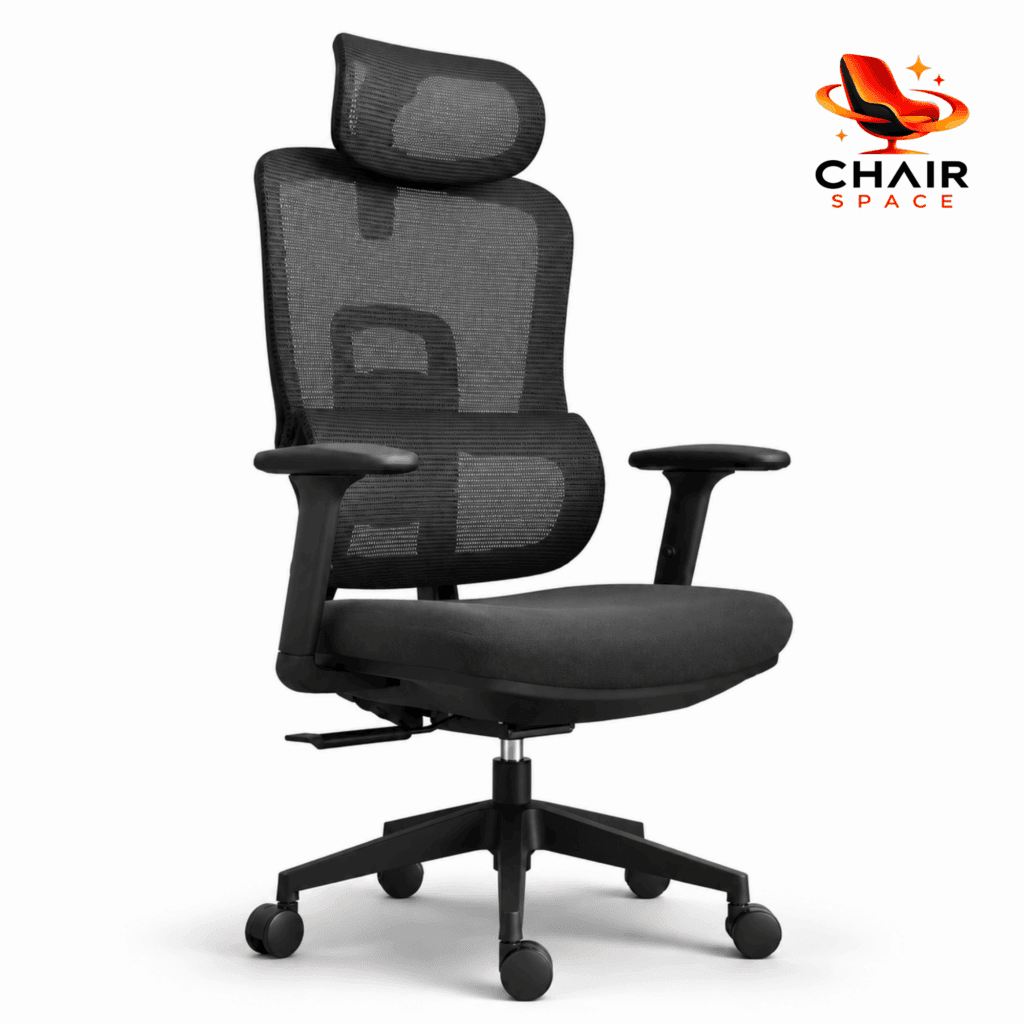
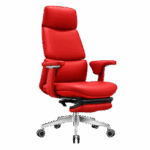
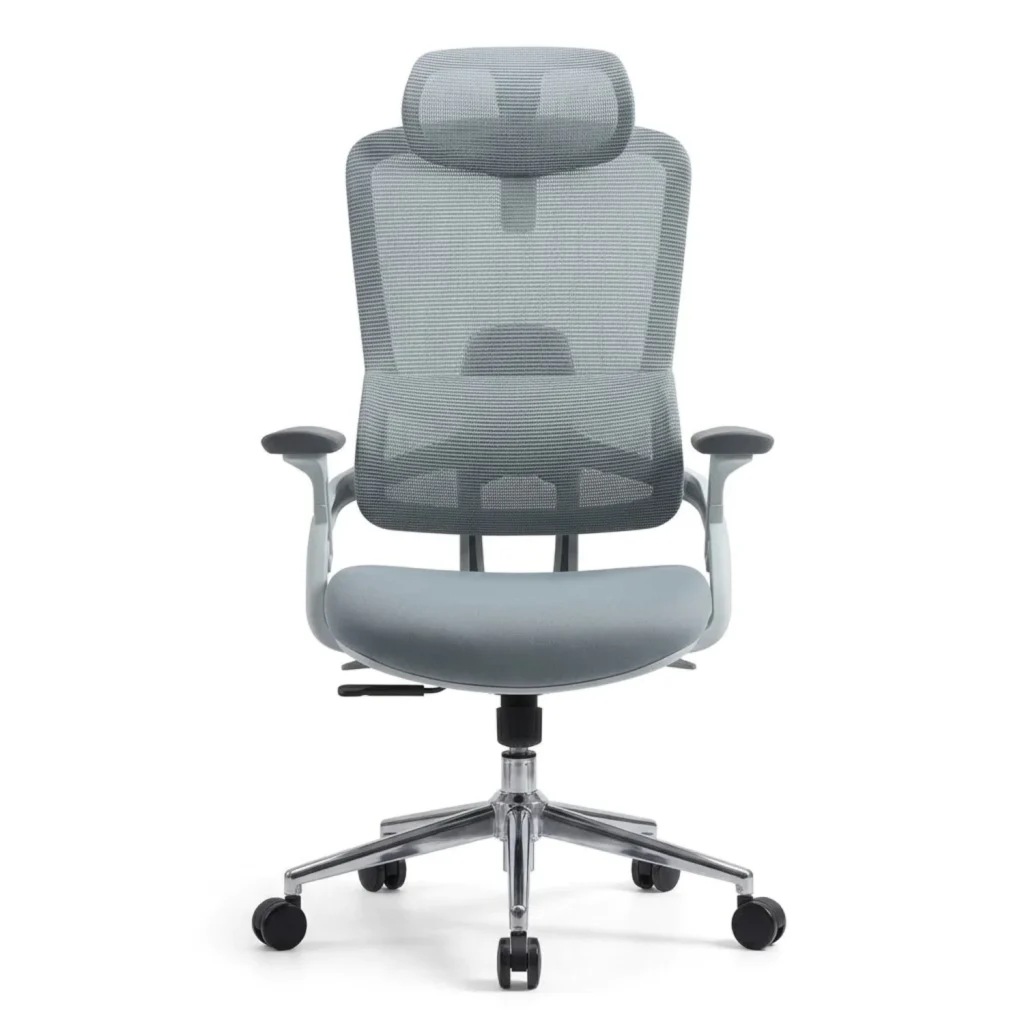
CSM-101
FEATURES
🔶 Adjustable Headrest
🔶 Premium Full-Mesh Ergonomic Design
🔶 Dynamic Lumbar Support System
🔶 High-Density Mesh Seat Cushion
🔶 3D Adjustable Armrests
🔶 Multi-Function Synchronized Tilt Mechanism
🔶 Seat Depth Adjustment
🔶 Pneumatic Height Adjustment
🔶 Polished Aluminum 5-Star Base
🔶 Designer Silent PU Casters
🔶 Heavy-Duty Commercial-Grade Frame
🔶 Built for Intensive Daily Use
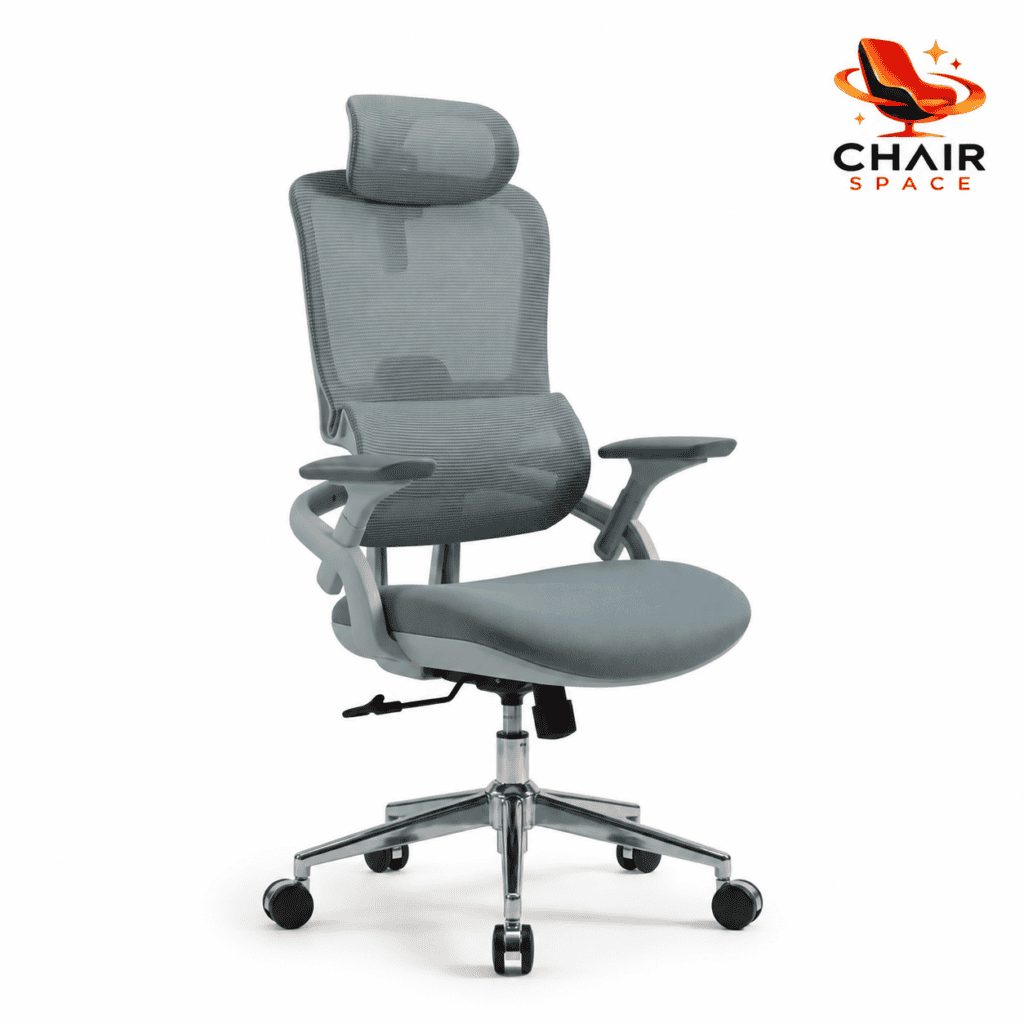
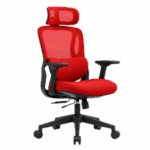
CSM-102
FEATURES
🔶 Ergonomic Mid-Back Mesh Design
🔶 Breathable Mesh Backrest
🔶 Built-In Lumbar Support
🔶 Fixed Ergonomic Armrests
🔶 High-Density Foam Seat Cushion
🔶 Smooth Height Adjustment
🔶 Tilt Reclining Function
🔶 Heavy-Duty Gas Lift
🔶 Reinforced Nylon 5-Star Base
🔶 Smooth & Silent PU Casters
🔶 Lightweight & Durable Structure
🔶 Perfect for Office & Home Use
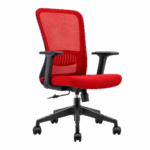
CSM-103
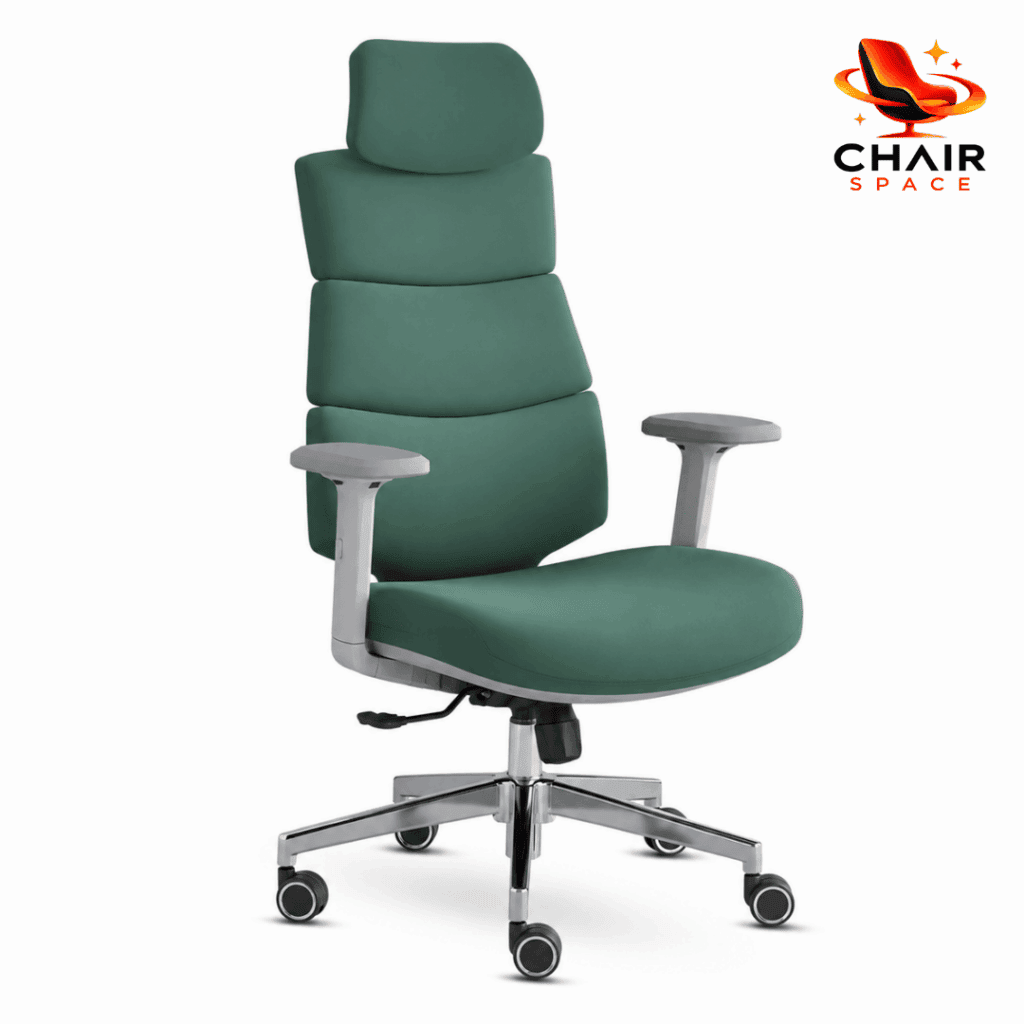
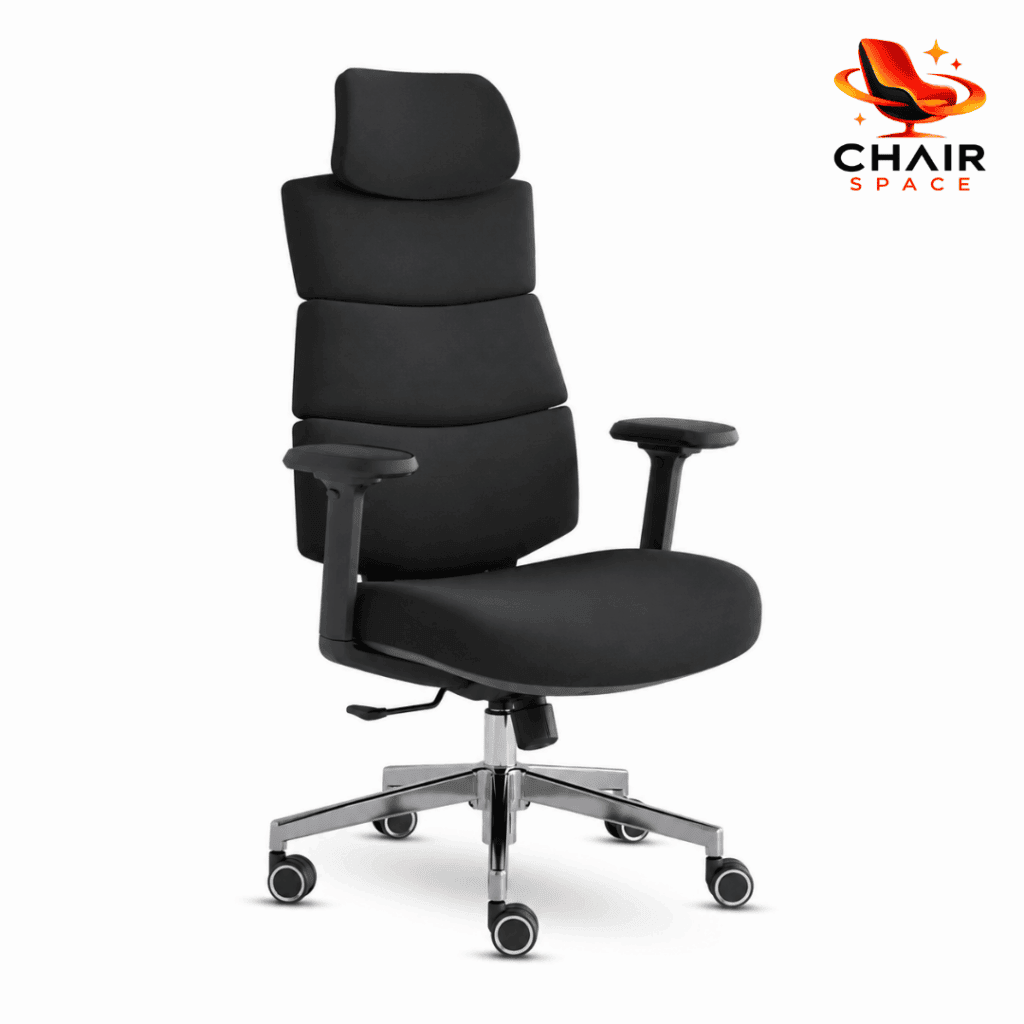
FEATURES
🔶 Adjustable Headrest
🔶 Ergonomic High-Back Design
🔶 Independent Lumbar Support Cushion
🔶 Height Adjustable Armrests
🔶 High-Density Molded Foam Seat
🔶 Premium Fabric Upholstery
🔶 Multi-Tilt Reclining Mechanism
🔶 Pneumatic Height Adjustment
🔶 Polished Aluminum 5-Star Base
🔶 Smooth & Silent PU Casters
🔶 Heavy-Duty Commercial-Grade Structure
🔶 Executive Comfort Seating
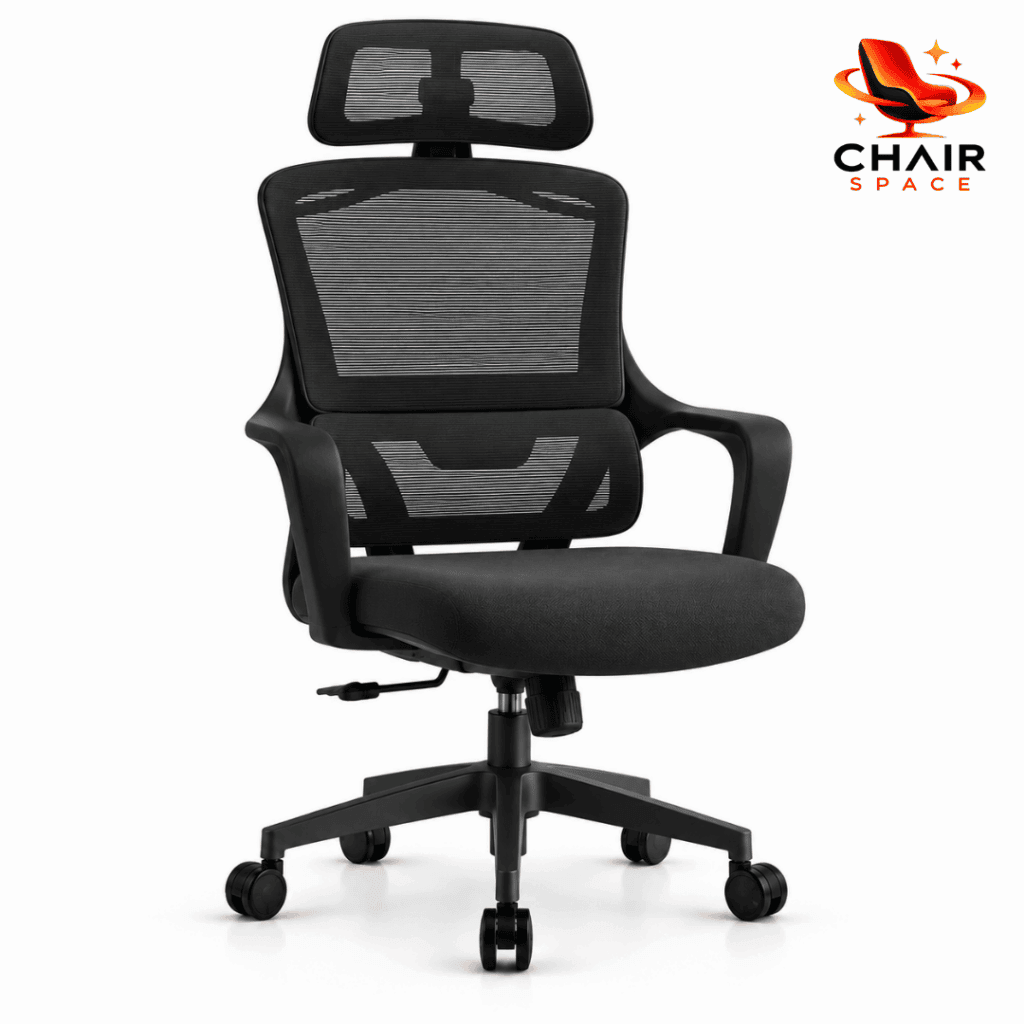
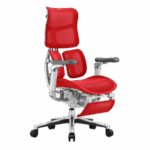
CSM-104
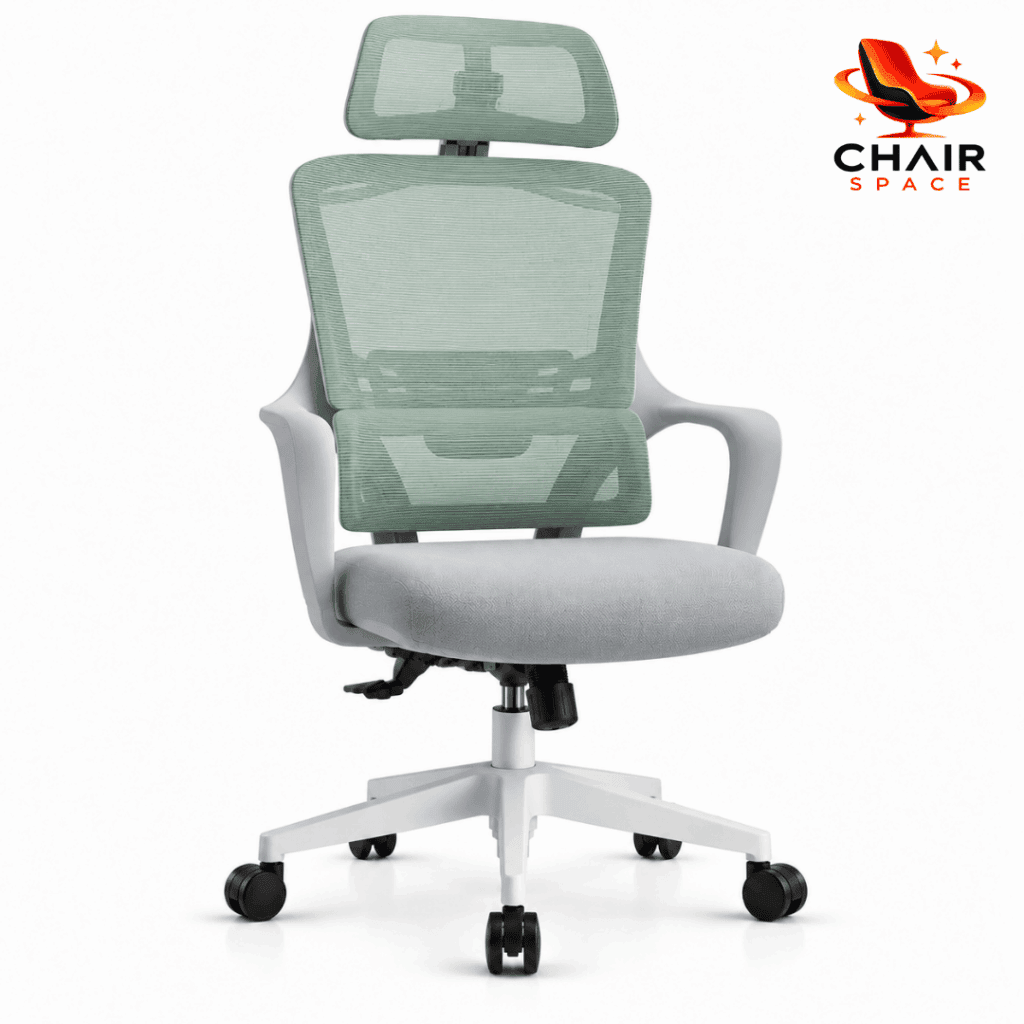
FEATURES
🔶 Integrated High Back Mesh Design
🔶 Adjustable Headrest
🔶 Breathable Elastic Mesh Backrest
🔶 Ergonomic Lumbar Support Zone
🔶 High-Density Foam Seat Cushion
🔶 Fixed Ergonomic Armrests
🔶 Tilt & Recline Function
🔶 Pneumatic Height Adjustment
🔶 Heavy-Duty Nylon Frame
🔶 Strong 5-Star Nylon Base
🔶 Smooth PU Silent Casters
🔶 Modern Executive Appearance

Related Posts
In the heart of Valencia

As an alternative theory, (and because Latin scholars do this sort of thing) someone tracked down a 1914 Latin edition of De Finibus wh...
The clean series
So when is it okay to use lorem ipsum? First, lorem ipsum works well for staging. It’s like the props in a furniture store—filler text ...